Industrial Farming

Industrial Farming, also known as intensive animal farming, industrial livestock production and factory farming are ways of modern farming that produces massive amounts of livestock including; cattle, pigs, chickens, turkeys, sheep and goats.

Their aims are to produce the highest output using low cost using machinery and biotechnology. High stocking density in these farms require the pesticides and antibiotics in order to prevent the spreading diseases. They are also used to increase growth speed of the animals in order to increase the amount of flesh available.

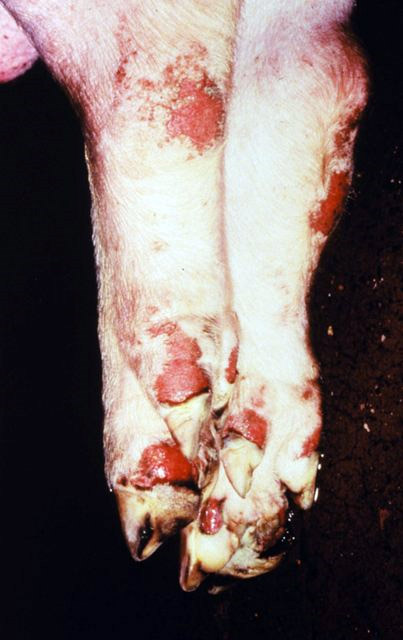
The animals are often treated in poor conditions, jammed into small cages, force-fed, tortured by humans (workers) and unwanted animals that are sick or weak are left to die and rot in garbage.

This action is becoming very popular worldwide as of 2006, 74% of world's pigs, 43% of beef, 68% of eggs were produced using the factory farming according to the Worldwatch Institute (an environmental research organisation based in Washington D.C).


Health problems

How does it affect us?


Over the last 50 years small farms with healthy chickens, hogs, cows and pigs have now become factory farms. These animals are tightly packed into very small and stressful cages. To make them over weight , over feed them and don’t let them to go out and run on the grass.

The growth of these industrial farms will impact on us a lot. It will contribute to a host of environmental, public health, economic, food safety and animal welfare problems. These animals can produce a lot of manure, which pollutes the water, air, and have a big impact on neighbors and nearby communities. 

Spreading disease

Over feeding animals in small stressful cages makes it easy to spread diseases. The manure can be really harmful and produce bacteria that can spread sickness to the human population. When thousand of beef cattle’s are packed into the feedlots this can produce bacteria and get into the hides and then into the slaughterhouses.

No comments:

Post a Comment